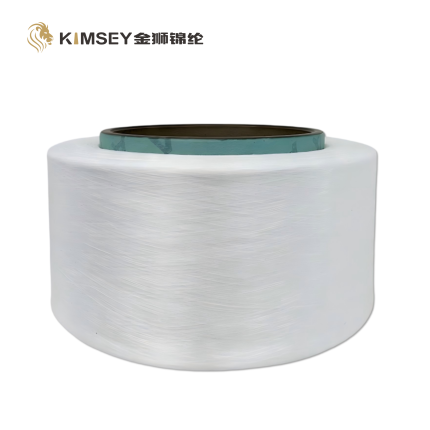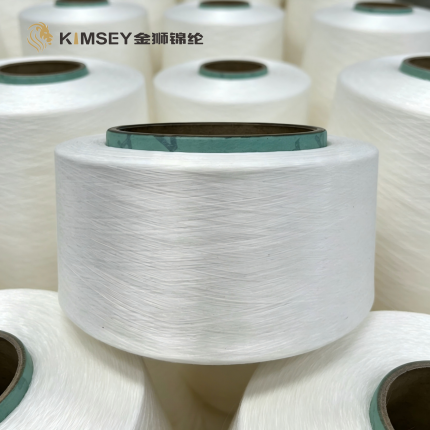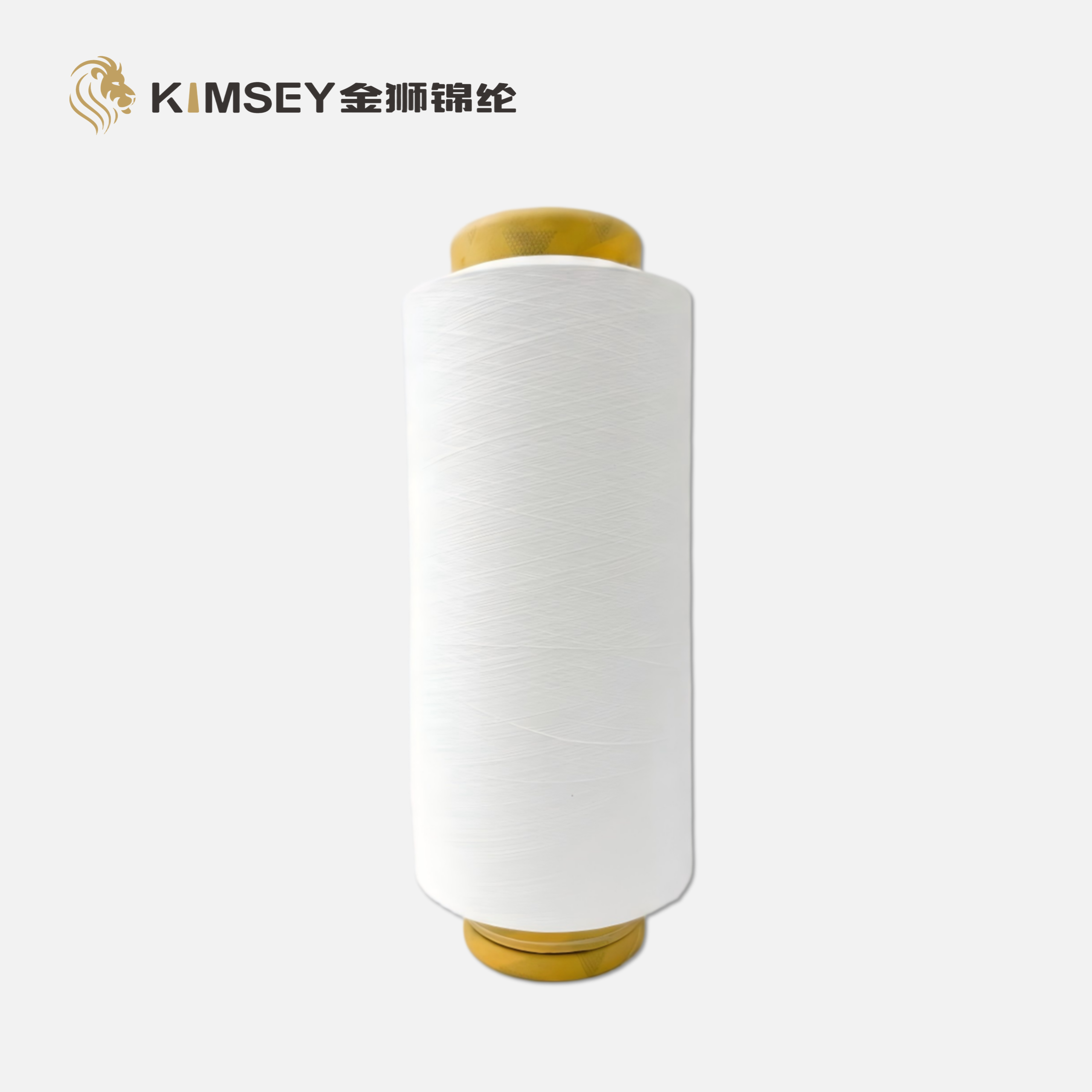
Nylon 6 DTY for Stretch, Softness and Knitted Fabrics
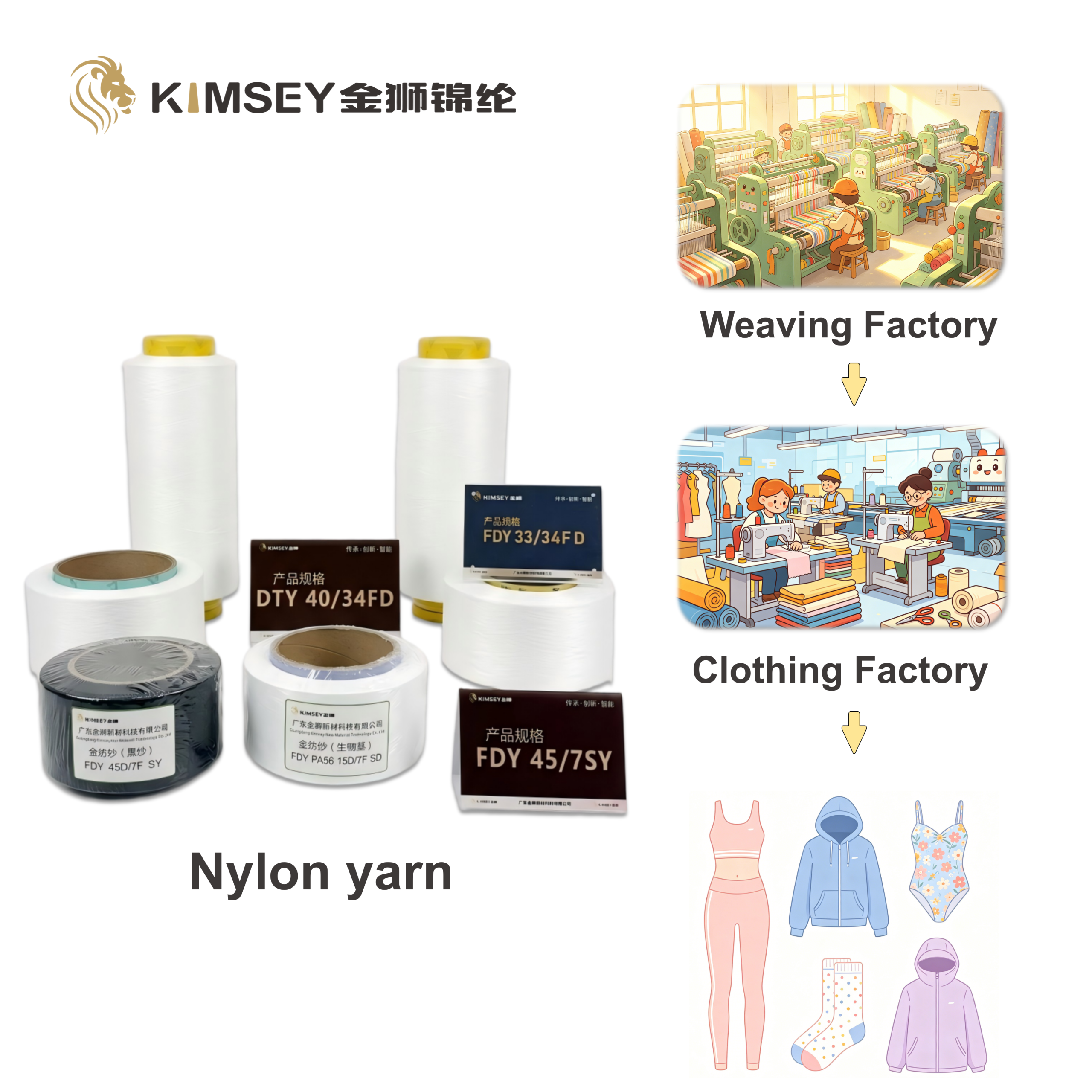
KIMSEY Nylon 6 DTY is developed for fabric mills that need soft hand feel, stretch recovery, stable bulk and reliable knitting performance. DTY, or draw textured yarn, is widely used in performance textiles where comfort and elasticity are important.
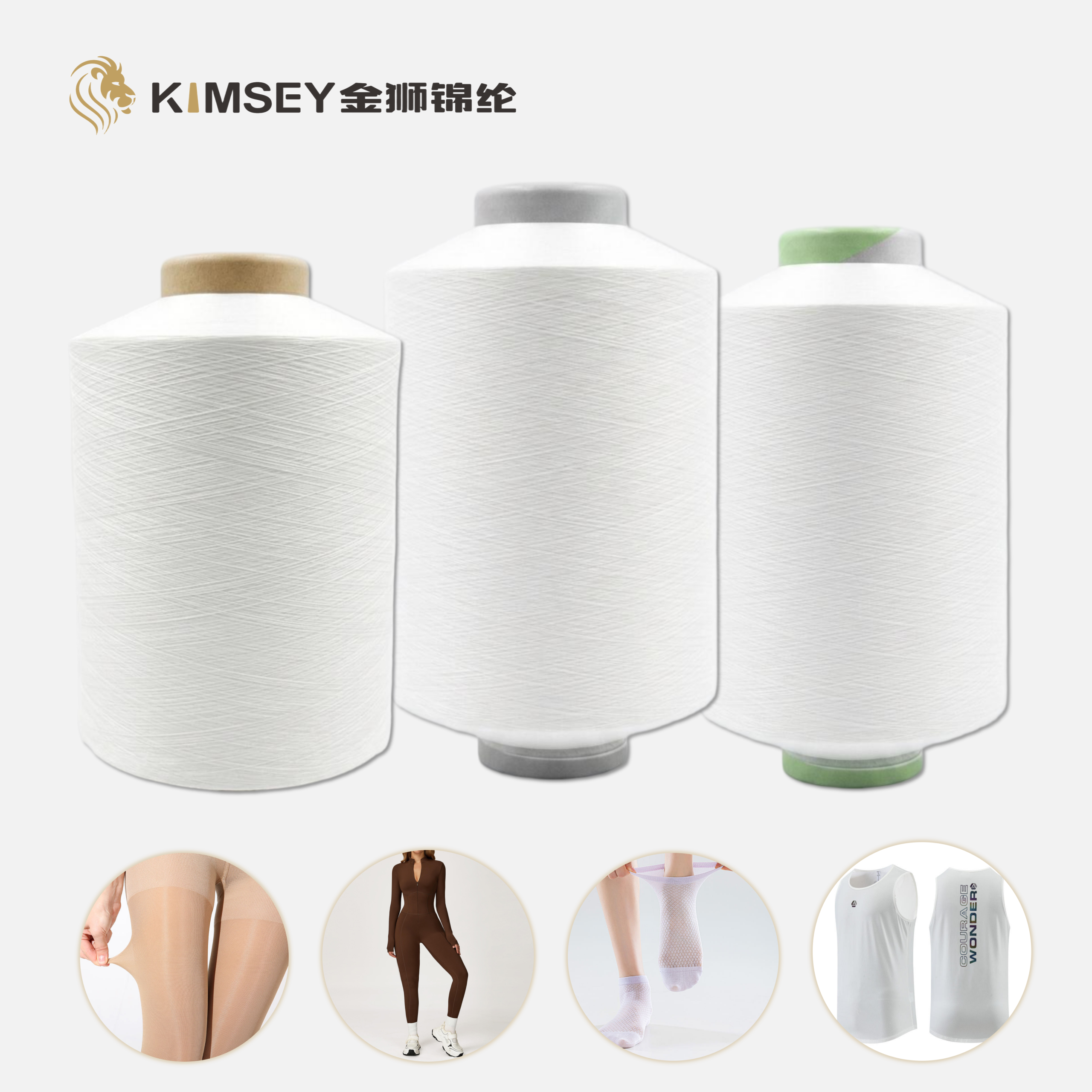
Typical Applications
- Sportswear, yoga wear and leggings.
- Seamless underwear and close-to-skin knitted fabrics.
- Hosiery, socks, narrow fabric and elastic trims.
- Warp knitting and circular knitting applications.
Specification Range
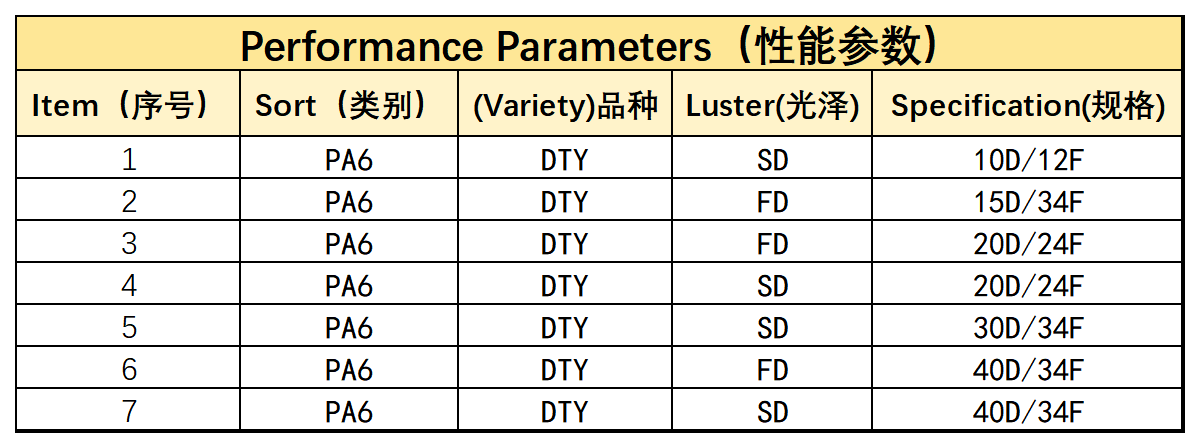
KIMSEY supports fine-denier Nylon 6 DTY programs, including 10D-75D development for performance textile applications. Buyers should confirm denier/filament, luster, intermingle level, package format, application and monthly quantity before sampling.
Buyer Notes
For DTY sourcing, buyers should pay attention to low hairiness, stable bulk, elasticity, package quality and dyeing performance. Texturing quality is important because it affects yarn softness, loop formation and downstream fabric behavior.
How DTY Supports Fabric Performance
DTY is commonly selected when the fabric needs comfort, softness and stretch recovery. In yoga wear and seamless underwear, consistent DTY helps improve fabric hand feel and machine efficiency. In hosiery and narrow fabric, stable bulk and package quality help reduce production interruptions.
Texturing and Lot Stability
Texturing process control affects DTY bulk, elasticity and hairiness. Buyers should ask about texturing capability, package stability and inspection records before approving bulk supply. KIMSEY uses Barmag EFK texturing capability together with ERP monitoring and batch traceability to support repeatable DTY quality.
RFQ Checklist
- Denier/filament, luster and intermingle level.
- Application: yoga wear, seamless underwear, hosiery or warp knitting.
- Monthly quantity, package requirement and destination port.
- Current sample or fabric target if available.
Related resources: DTY for yoga and seamless guide, NIM SIM HIM DTY guide, Barmag EFK texturing guide.
How to Evaluate Nylon 6 DTY Samples
When evaluating Nylon 6 DTY samples, buyers should check softness, stretch recovery, hairiness, package unwinding and fabric surface after knitting. For yoga wear, leggings and seamless underwear, hand feel and comfort are important, but production stability is just as important for bulk orders.
Intermingle and Application Matching
DTY buyers should confirm whether the application needs NIM, SIM or HIM yarn. Intermingle level can affect yarn cohesion and downstream processing behavior. A DTY yarn for seamless underwear may need a different balance of softness and stability than a yarn used for warp knitting or narrow fabric.
Why Work with a Direct DTY Manufacturer
Working directly with a Nylon 6 DTY manufacturer helps buyers discuss texturing, package quality and batch stability before approving bulk supply. KIMSEY combines Barmag EFK texturing capability, ERP monitoring, inspection and traceability to support repeatable DTY programs for overseas textile mills.
Questions to Confirm Before Bulk DTY Orders
Before placing a bulk DTY order, buyers should confirm whether the approved sample and bulk production will use the same texturing route and package requirement. Important questions include: What intermingle level is required? What package weight and tube type will be used? Can the supplier control hairiness and bulk for repeat orders? Are inspection records available for the shipment lot? These details help reduce knitting breaks, fabric variation and dyeing risk.
Best-Fit Buyers for KIMSEY DTY
KIMSEY DTY is best suited for mills producing sportswear, yoga wear, seamless underwear, hosiery, narrow fabric and warp-knitted fabrics. It is also useful for sourcing teams that need a direct manufacturer able to discuss fine-denier specifications, texturing performance and repeat-order stability.
Application Details That Improve DTY Matching
For best results, buyers should tell the supplier whether the DTY will be used on circular knitting, seamless knitting, warp knitting or covering machines. This helps match elasticity, package behavior and yarn cohesion to the downstream process.